

Islamabad Talks 2026: Pakistan opens visa-on-arrival window ahead of US-Iran negotiations
Security tightened across capital ahead of weekend negotiations
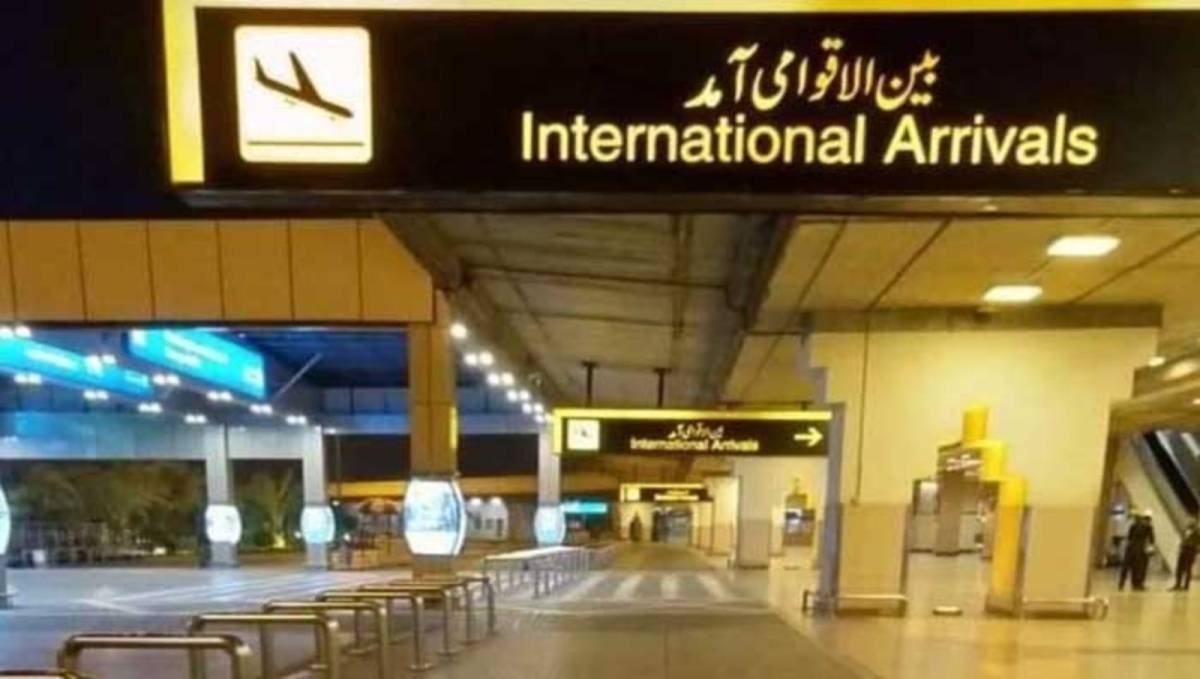
DUBAI/ISLAMABAD – Pakistan has announced visa-on-arrival facilities for delegates travelling to Islamabad for crucial talks between the United States and Iran, marking a significant diplomatic step following a fragile ceasefire between the two countries.
The negotiations, scheduled to begin on Saturday, come after two weeks of reduced hostilities brokered through Islamabad’s mediation efforts. Authorities have moved swiftly to ease entry requirements and strengthen security as global attention turns to the Pakistani capital.
The decision underscores Pakistan’s attempt to facilitate dialogue at a critical juncture, with officials emphasising accessibility for diplomats, policymakers and international media representatives expected to attend the high-level engagement.
Entry measures
Deputy Prime Minister and Foreign Minister Ishaq Dar confirmed that all individuals travelling in connection with the Islamabad Talks 2026 will be eligible for visas on arrival. Airlines have been instructed to permit boarding without prior visas, ensuring participants can travel without administrative delays.
Pakistan welcomes all delegates including journalists from participating nations, traveling in relation to Islamabad Talks 2026. To this end, all airlines are requested to permit boarding to all such individuals without Visa. Immigration authorities in Pakistan will issue them… pic.twitter.com/mvWJyv2P4s
— Ishaq Dar (@MIshaqDar50) April 10, 2026
The move is aimed at accommodating a surge in international delegations and journalists, reflecting heightened global interest in the negotiations. Immigration authorities across Pakistan have been directed to provide full assistance at entry points to ensure a smooth and efficient arrival process.
Officials described the facilitation measures as part of broader efforts to create an inclusive environment for dialogue, particularly as both sides signal cautious willingness to engage following weeks of tension.
Security setup
Authorities have simultaneously implemented extensive security arrangements across Islamabad and neighbouring Rawalpindi. Interior Minister Mohsin Naqvi has overseen preparations, including the establishment of a central control room within the Ministry of Interior.
More than 10,000 police and security personnel have been deployed under a multi-layered plan supervised by the military, with support from paramilitary Rangers and local law enforcement agencies. The Red Zone has been sealed, with access restricted to authorised individuals only.
اسلام آباد مذاکرات کے لئے غیر ملکی وفود کی آمد
— Ministry of Interior GoP (@MOIofficialGoP) April 10, 2026
وفاقی وزیر داخلہ محسن نقوی کی زیر صدارت سکیورٹی و دیگر انتظامات سے متعلق خصوصی اجلاس
اسلام آباد میں امریکہ ایران مذاکرات کے حوالے سے تیاریوں اور سکیورٹی پلان کا تفصیلی جائزہ pic.twitter.com/mTNmdtHX0G
Troops have been stationed at key government buildings, while Quick Response Force units remain on standby across strategic locations. Additional deployments have been made in the Margalla Hills, and most entry points into the high-security zone have been closed, except for controlled access via Margalla Road.
Separate routes have been designated for the movement of foreign delegations, with full “Blue Book” protocol extended to ensure security and smooth transit between the airport and accommodation sites. Emergency services and hospitals remain on high alert, while traffic diversions have been implemented across major arteries.
The Serena Hotel in Islamabad has been reserved exclusively for visiting delegations, and local holidays have been declared to minimise disruptions during the talks.
US-Iran talks in Islamabad
Pakistan’s role as a mediator has gained prominence following its efforts to secure a two-week ceasefire between Tehran and Washington. Prime Minister Shehbaz Sharif and senior officials have maintained back-channel communications with both sides, while also coordinating with regional stakeholders, including China.
Iranian President Masoud Pezeshkian has confirmed Tehran’s participation in the Islamabad talks, signalling readiness to pursue a negotiated settlement. The United States has also announced its delegation, led by Vice President JD Vance, alongside senior envoys including Steve Witkoff and Jared Kushner.
The negotiations are expected to focus on de-escalation and pathways towards a longer-term agreement following weeks of conflict that began on February 28. A 30-member US advance team has already arrived in Islamabad to assess logistical arrangements ahead of the main discussions.
Officials describe the talks as a critical opportunity to stabilise regional tensions, with Pakistan positioning itself as a central diplomatic hub capable of bridging divides between key global players.